
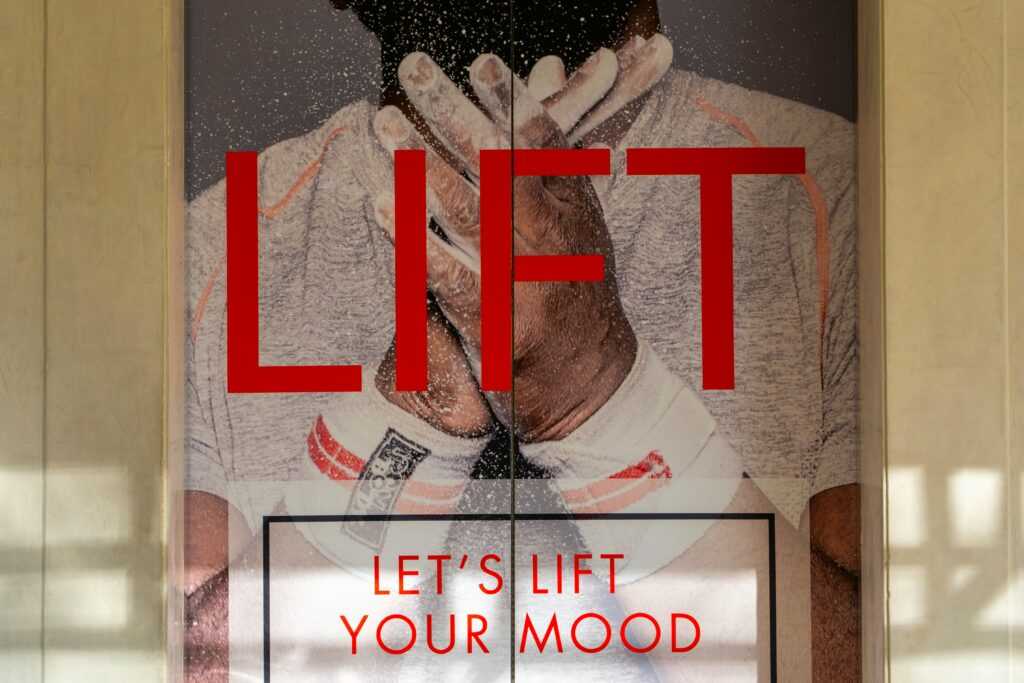
Stress Gets Burned Off Literally
When stress builds up, your brain floods your system with cortisol. It’s a survival hormone but too much of it wears you down. Physical activity is nature’s antidote. Even brisk walking or light cardio helps lower cortisol levels, easing the pressure in both your body and mind.
Alongside that drop in stress hormones, you get a lift from endorphins. These are your body’s natural mood boosters no prescription needed. They kick in fast, sometimes in the first ten minutes of movement, giving you that calm, satisfied feeling people call the “runner’s high.”
And the best part? Regular movement creates mental distance from the daily noise. Whether it’s a solo jog, pickup game, or just stretching in your living room, doing something physical gives your mind space to breathe. Clearer thoughts, lighter moods it all starts with a little motion.
Sharper Mind, Stronger Focus
There’s a reason elite athletes talk about mental clarity like it’s part of their gear. Regular physical training doesn’t just build muscle, it sharpens the brain. Studies back it up consistent movement boosts blood flow to the brain, enhancing memory, decision making, and overall cognitive function. It clears out the fog.
But it’s not just biology. Sports demand discipline and routine. Practicing the same move, refining a skill set, showing up even on off days this structure builds real focus. Over time, your attention span gets stronger because distraction means defeat, even in casual play.
Then there’s goal setting. Whether it’s shaving seconds off your mile or learning a new technique, the process of working toward performance goals rewires your brain to organize, prioritize, and zero in. That laser focus doesn’t stay on the field it shows up in your work, studies, and how you manage daily life.
Connection Builds Confidence
Sports do more than get your body moving they connect you to people. Whether it’s joining a weekend soccer league or sparring with a buddy at the gym, being part of a team or training group cuts through isolation fast. You show up, you sweat, you talk. It’s low pressure socializing with high impact results.
Team dynamics also stretch your emotional intelligence. You learn to give and accept feedback, respond to challenges in real time, and read people better. Communication isn’t just about words it’s eye contact, timing, even knowing when to step up or fall back. These skills transfer beyond the field into daily life, especially under stress.
And then there are the small wins. Nailing a jump shot, shaving seconds off a mile, hitting a personal best. That stuff adds up. It’s quiet, steady progress that builds self esteem from the inside out. You start trusting yourself more not just in sports, but everywhere else life asks you to show up and deliver.
The Sleep + Mood Equation

Put simply: move more, sleep better. Physical activity whether it’s strength training, a run, or a pickup game improves both the quantity and quality of your sleep. That means deeper slumber, fewer wake ups, and more time in the restorative phases your brain needs.
And those 7 8 hours? They’re not just numbers. True recovery resets your mood. You wake up clearer, less reactive, and emotionally steadier. Better sleep lets your body repair itself and your mind reset. It’s a low tech but powerful way to keep anxiety and irritability in check.
This isn’t just wellness fluff. Sleep, recovery, and focus are tightly wired together. You train, you sleep well. You sleep well, you focus better. That clarity then feeds back into your workouts and life. The triangle works, no hacks required.
Long Term Brain Gains
The science here is solid: people who train regularly are less likely to deal with depression and anxiety. The routine alone creates structure. Add in movement induced dopamine and endorphins, and you’ve got a natural buffer against mental lows.
But the benefits aren’t just mental. Physical activity also slows down cognitive decline. Staying active keeps blood flowing to the brain, wards off memory loss, and promotes sharper thinking even later in life. We’re not talking Olympic training either. Casual stuff helps too. Pick up soccer games. Afternoon bike rides. Weekend tennis matches that are more laughs than leaderboard. Movement is medicine, whether you’re a high performer or just looking to avoid the brain fog.
The key takeaway? You don’t need to be an athlete to reap the rewards just keep playing.
Want the Full Mind Body Package?
If you’re chasing better mental clarity, mood, and focus, it’s not just about pushing yourself harder it’s about training with intent. Smart training means balancing movement, recovery, and fuel. You can’t out perform a fried nervous system, and no amount of burpees beats poor sleep or chronic stress.
So, what works? Sustainable routines. Quality reps over endless sets. Mobility work alongside strength. Recovery days that aren’t just guilt fueled rest. Think like an athlete, not a machine.
If you’re ready to dial it in, check out this breakdown: Fitness Like an Athlete. It covers how pros approach training holistically and how you can adapt the same mindset to your own life.
Don’t Overthink It. Just Move.
You don’t need a gym membership, a personal trainer, or expensive gear to get started. Movement doesn’t ask for much. A walk around the block counts. A quick stretch after sitting too long same thing. You could join a low cost rec league, or head to a local court and shoot hoops solo. No one’s keeping score except you.
The main thing: do something. It doesn’t have to be fancy or planned to work. Your mind notices every step you take, every break from the screen, every breath that deepens when your body moves. And little by little, it adds up.
The hardest part is starting. After that, your brain and body will do the rest. Just move.