
Know Your Game, Know Your Goals
Start simple: pick the right game. Not just the one that’s trending, but the one you actually play well and enjoy grinding. Be honest with yourself. If you’re a solid shot caller but lack raw mechanics, maybe steer toward strategic team based titles. If you’re reaction obsessed and love 1v1 duels, aim for twitch heavy games. Your natural strengths shape where you’ll actually thrive, not just survive.
Next, get to know the competitive landscape. Every serious game has some kind of scene regional circuits, online ladders, pro leagues. Look into format, prize pools, and what kind of teams are already dominating. Some games reward solo carry potential, others demand airtight team coordination. Before you dive in, know what you’re diving into.
Then set goals that make sense. You’re probably not winning Worlds next year. That’s fine. Instead, aim for measurable benchmarks: qualify for a local tournament, hit top 500 on ladder, land a scrim with a known team. Build slowly, with purpose. Long term success comes from a series of small, smart wins stacked over time.
Build the Squad, Not Just a Group
Pulling together top tier talent won’t mean much if they can’t function as a unit. Focus less on flashy stats and more on synergy. Does your support communicate well with the carry? Can your IGL keep cool under pressure, and do the others listen? These details change games.
Skill is the foundation, but roles, playstyles, and attitudes determine whether a team clicks or cracks. You’re not building a leaderboard you’re forming a crew that survives late nights and tough losses together. Look for players who solve problems instead of pointing fingers.
Start with trial periods and run frequent scrims. Chemistry doesn’t reveal itself in spreadsheets. Watch how players adapt, how they talk between rounds, how they handle setbacks. It’s better to field a slightly less skilled team that moves as one than five solo champs fighting over spotlight.
Want a deeper checklist? Don’t miss our detailed guide: Detailed steps and strategies in our build your team guide.
Set Up Your Infrastructure
This is where a lot of new teams trip up. You can have great players and solid intentions, but if your setup is trash, you’re not going anywhere. Lag spikes, poor audio, or busted peripherals? That’s your loss before the match even starts. Everyone needs stable internet, reliable PCs or consoles, and solid communication tools. It’s the boring stuff but it’s also the baseline.
Practice isn’t just about clocking hours, either. Treat sessions like workouts. Warm up, drill, scrim, then review. Rotate roles occasionally. Focus on team coordination or specific map control. Don’t grind mindlessly train with purpose.
Smart teams run data. That means reviewing replays, tracking stats over time, and spotting weaknesses before opponents do. Tools like Aim Lab, Overwolf, or built in analytics from your game are there for a reason. Use them. Tight infrastructure won’t guarantee wins but without it, you’re just hoping.
Coaching and Support Staff
Every Team Needs a Shot Caller
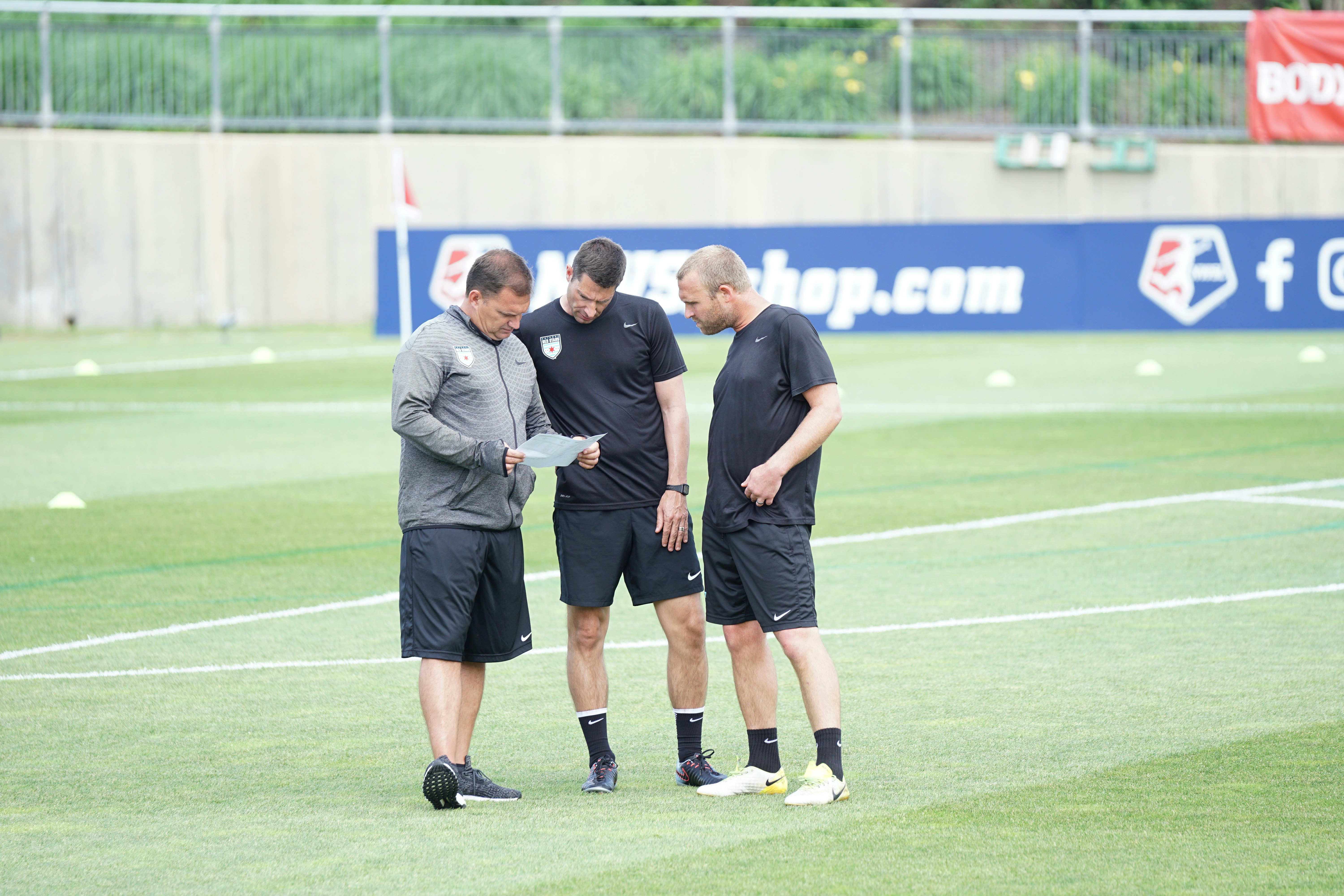
Even at the grassroots level, having someone in charge of strategy and in game decisions can make a huge difference. A coach or team leader brings structure, helps set training goals, and works to resolve conflicts before they escalate. Clear leadership fosters accountability and consistent growth.
Provide tactical direction during matches
Streamline practice sessions with focused objectives
Keep the team aligned on broader strategic goals
Mental Game: Conditioning and Stability
Skill isn’t everything in high pressure matches mental strength often decides the outcome. Integrating structure around mental and emotional performance is becoming standard, even for rising teams.
Use routines and rituals to manage nerves and focus
Develop tilt control habits to maintain performance under stress
Set up regular feedback loops to address ongoing issues together, constructively
Volunteer vs. Professional Coaches
Not every team starts with the budget to hire a full time coach, and that’s okay. Starting with a passionate volunteer someone with experience as a player or analyst can provide early momentum and direction. But as the team grows, knowing when to level up your support staff is key.
Start with volunteers or dual role player coaches
Consider hiring when stakes grow: qualifiers, sponsorships, or entering competitive leagues
Evaluate ROI: does this coach help improve win rates, morale, and systems?
Growth tip: Just as players need time and space to improve, so does your support system. The right coach at the right time can turn a good squad into a winning team.
Brand and Backing
Your team’s identity isn’t just made in the game it starts with your brand. A sharp, consistent brand sets you apart and builds credibility long before the first tournament win.
Craft Your Identity
Before anything else, create a cohesive, recognizable brand that communicates your team’s attitude, values, and style.
Choose a name that’s memorable, relevant to your game, and not overly similar to existing teams
Design a logo that’s scalable, simple, and visually distinct
Build a visual “vibe” colors, fonts, and imagery that convey your team’s energy and direction
Be Visible Even Early
Many teams wait until they’re winning to go public. That’s a mistake. Build your presence early to attract players, fans, and potential sponsors.
Launch and maintain social media accounts (X, Instagram, TikTok, YouTube, Twitch) with regular updates
Share scrim highlights, behind the scenes content, team intros, and development updates
Use your channels for storytelling: show the journey, not just the results
Build Your Network
Support rarely comes to you you have to go get it. Start with consistent outreach and targeted connections.
Introduce your team to local gaming communities and esports forums
Attend gaming events, online tournaments, and Discord spaces related to your game
Reach out to small sponsors, brands, streamers, or teams that align with your team’s niche
Need help getting started? Check out the build your team guide for a deeper breakdown of branding and community outreach.
Stay Adaptable and Competitive
Success in esports isn’t just about mastering the current meta it’s about knowing how to evolve with the game and your team. The best teams combine strategic awareness with personalized execution. Here’s how to stay flexible and competitive in a constantly shifting environment:
Study, But Don’t Imitate
Looking at how top teams play can be incredibly informative but copying their every move rarely works. What works for them may not work for your squad.
Watch pro matches with intention: What ideas can you borrow?
Analyze their strategies, but also the execution
Don’t force your team to mimic setups that don’t align with your players’ skills
Adapt to Fit Your Team’s Identity
Every esports team develops a unique set of strengths, playstyles, and internal dynamics. Use those elements to your advantage by crafting strategies that feel natural for your squad.
Identify what your players do best lean into it
Build strategies that amplify your team’s chemistry
Stay honest with yourselves complex doesn’t always mean better
Be Ready to Pivot
Esports moves fast. A patch update, map rotation, or even a sudden roster change can shift the meta overnight. Winning teams anticipate change instead of reacting at the last second.
Stay on top of patch notes, balance updates, and official announcements
Rotate roles and strategies during practice to stay flexible
Have contingency plans for burnout, absences, or sudden meta changes
Winning isn’t about being perfect it’s about being prepared. The teams that stay adaptable are the ones that stay relevant.
Keep It Sustainable
If you’re not building for the long haul, you’re building to burn out. Competitive drive is great until it wrecks your schedule, health, or team chemistry. Set hard boundaries around practice times. That means planned breaks, cooldown days, and non gaming hours. You can’t grind forever without hitting a wall.
Equally important: keep communication open. Make space for honest check ins, even when things are tense. Not every convo needs to be about strats or stats. Mental health, burnout warnings, personal life balance they belong in the discussion too. If one player’s dragging, the whole team feels it sooner or later.
Lastly, success isn’t just trophies. It’s week over week improvement, stronger teamwork, and a roster that actually wants to stay together. Wins are awesome. But growth, chemistry, and consistency? That’s what makes a good team great and keeps them in the game.