
Global Audiences Are All In
E sports isn’t just catching up to traditional sports it’s already shoulder to shoulder. Some championship streams now pull as many viewers as the NBA Finals or World Series. Events like League of Legends’ Worlds and CS:GO Majors are pulling tens of millions, with streaming numbers rivaling national broadcasts.
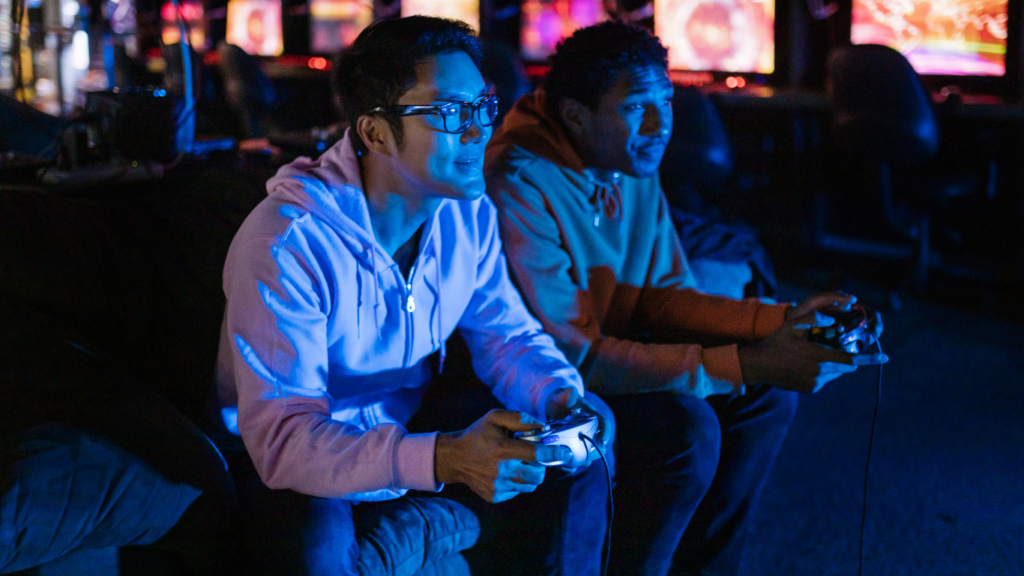
The shift is generational. For Gen Z and Alpha, gaming isn’t a hobby it’s the culture. These audiences didn’t grow up watching cable or waiting for weekend games; they grew up inside Twitch chats, Discord servers, and YouTube recommendation loops. They watch competitive gaming with the same loyalty and intensity earlier generations gave to football or baseball.
Plus, access is frictionless. With platforms like Twitch and YouTube, anyone with a phone has front row seats to global tournaments. No need for cable packages or pay per view. That means more reach, bigger hype, and a totally different expectation for how live events should feel immediate, interactive, and always on.
In short: E sports isn’t a sideshow anymore. It’s the main event for an entire generation.
Big Money, Bigger Ecosystem
The business of e sports isn’t just keeping pace with traditional entertainment it’s outpacing it in several areas. In 2026, the financial landscape of competitive gaming has matured into a multi billion dollar global industry that draws serious investment, career interest, and mainstream attention.
Record Setting Prize Pools & Sponsorship Deals
E sports prize pools have shattered previous records, with top tournaments offering purses that rival, and sometimes exceed, those of traditional sports championships.
Flagship events like The International and League of Legends Worlds have hit eight figure prize pools
Corporate sponsorships from tech brands to energy drinks are larger, longer term, and more strategic than ever
Advertising opportunities through streaming platforms are integrated into matches, with branded segments and virtual signage becoming the norm
Career Paths Beyond Just Pro Players
The ecosystem has matured well beyond star players in the spotlight. Careers have expanded and specialized, offering sustainable roles across the e sports pipeline.
Coaches and analysts are now essential for competitive edge and team strategy
Content creators and streamers build audiences outside tournaments, increasing fan loyalty and monetization opportunities
Event organizers, production crews, and team managers are turning passion into full time, high demand roles
Major Buy In from Legacy Sports Giants
Traditional sports organizations are no longer just watching from the sidelines they’re investing heavily.
NBA, Premier League, and NFL franchises have acquired or launched their own e sports teams
Media conglomerates are securing broadcasting rights, producing highly polished coverage that mimics pro sports
Cross collaboration includes shared venues, sports style contracts, and dual sport marketing strategies
E sports in 2026 isn’t just a rising alternative it’s a cornerstone of modern entertainment economics.
Tech Pushed the Scene Forward
E sports didn’t just grow because more people played games it evolved because the tech stepped up. Spectator tools have changed the viewing experience completely. We’re talking real time stats, multiple viewing angles, and increasingly, AR overlays that give fans instant analysis without needing a shoutcaster to spell it out. Watching a tournament online today feels more like sitting courtside than ever before.
Cloud gaming and 5G have removed most of the barriers to entry. There’s no longer a need for a souped up rig or constant downloads just a decent connection and a screen. That kind of accessibility turns occasional viewers into daily fans and gives tournaments reach in places that didn’t have it five years ago.
What’s more, the lines between console, PC, and mobile are fading fast. Cross platform compatibility is table stakes now. Pro players can compete on one system, stream from another, and their fans can watch from a phone with zero lag. It’s not just convenient it’s the foundation of a truly global audience. Technology didn’t follow e sports. It cleared the way.
Cultural Respect Has Arrived

Nobody’s rolling their eyes at e sports anymore. What used to be shrugged off as kids playing games is now treated like any other serious athletic competition with fans, strategy, and serious stakes. Major tournaments fill stadiums. The on screen action is broadcast with the same production muscle as pro sports. And the players? They’re training, reviewing film, and competing under pressure like any top tier athlete.
Universities have taken note, too. Today, dozens of institutions offer actual scholarships for talented gamers. Some even have full blown degree programs in e sports management, signaling that the scene’s deeper than just bright lights and loud streams. It’s strategy, business, and execution all rolled into one.
And if you’ve seen an e sports segment on ESPN or in The New York Times, don’t be surprised. That kind of media attention used to be rare now it’s routine. E sports has earned a permanent seat at the culture table. It’s not underground. It’s not niche. It’s here, and people are finally treating it like what it is: high stakes, competitive entertainment.
Deep Roots, Long Ramp
A Movement Decades in the Making
E sports didn’t arrive at the top of the entertainment world overnight. Its current global dominance is the result of decades of evolution, community building, and industry investment. What may feel like a sudden rise is actually built on years of grassroots momentum.
Competitive gaming stretches back to the 1980s with arcade high score contests
The 1990s introduced organized tournaments through games like Quake and StarCraft
Early 2000s saw the formation of professional leagues and more media attention
Key Evolution Milestones
To understand why e sports is thriving today, it helps to look at landmarks in its development:
LAN parties and internet cafés set the stage for team based competition
Streaming platforms like Twitch (launched in 2011) revolutionized how fans watched and engaged
Global titles like League of Legends and Dota 2 cemented the spectator sport model with massive tournaments
Explore the full timeline in our companion piece: History of E sports
From Niche to Norm
What once lived on the fringe is now fully integrated into youth culture, sports media, and the broader entertainment industry. The groundwork laid over years of dedication and innovation built today’s foundation of international leagues, huge prize pools, and fan communities that rival traditional sports.
E sports didn’t explode it expanded. And it’s still on the rise.
Entertainment Rewritten
E sports content isn’t just streamed it’s lived. Unlike traditional sports broadcasts, which can feel distant, e sports content thrives on tight knit dynamics between players, streamers, and fans. Chat is live. Memes are born in real time. Audiences don’t just watch they vote, clip, comment, and even co create. Personalities matter as much as gameplay, and fans follow creators across platforms, tuning in for both championship moments and casual late night grinds.
Team brands have evolved, too. What started as gamer tags is now full scale identity design logos, merch, social strategy, and lore. Fans don’t just root for a team; they belong to a community. Rivalries feel like digital neighborhoods competing during playoffs, and viewers carry those loyalties into game lobbies and Twitter threads alike.
And then there’s the crossover factor. Pro players dropping rap EPs, DJs hosting LAN parties, Formula 1 drivers investing in League of Legends orgs it’s all happening. The line between e sports, music, fashion, and mainstream celebrity culture is blurry, and that’s the point. Hybrid events that mix arenas and Twitch streams feel more like festivals than tournaments.
Bottom line: E sports isn’t copying entertainment. It’s rewriting it on its own terms.
The Momentum Shows No Sign of Slowing
E sports has firmly moved beyond trend status it’s now one of the most powerful forces in global entertainment. From a surging pipeline of rising talent to multi year brand deals, the ecosystem is showing long term sustainability and evergreen cultural influence.
Global Growth in Talent and Tournaments
The international expansion of e sports is accelerating, as more countries invest in leagues, training infrastructure, and youth development programs.
Regional leagues in Asia, Europe, and South America are flourishing
Grassroots tournaments and high school leagues are feeding the talent pool
Crossover athletes and influencers are spotlighting new players on a global scale
Brands Are Betting Big And Long Term
Corporate sponsors no longer view e sports as a one off marketing campaign. Global companies are entering multi year agreements with players, teams, and streaming platforms.
Tech, apparel, and beverage industries are top investors
In game branding and virtual merchandise are becoming standard
Brands are co creating content and experiences with e sports talent
From Niche to Culture Driver
E sports is no longer a subculture it’s leading modern digital entertainment. With millions tuning in, competing, and engaging daily, it has crossed into the mainstream and shows no signs of slowing.
Tournaments now rival traditional sports broadcasts in viewership and production
Cultural crossover moments from music collabs to Netflix series are becoming expected
E sports personalities have the same reach and impact as top tier athletes and creators
The signal is clear: e sports isn’t catching up it’s setting the pace.